[ Knowledge Base ]

Technology & Innovation

Minimizing Support Structures Through Parameter Optimization

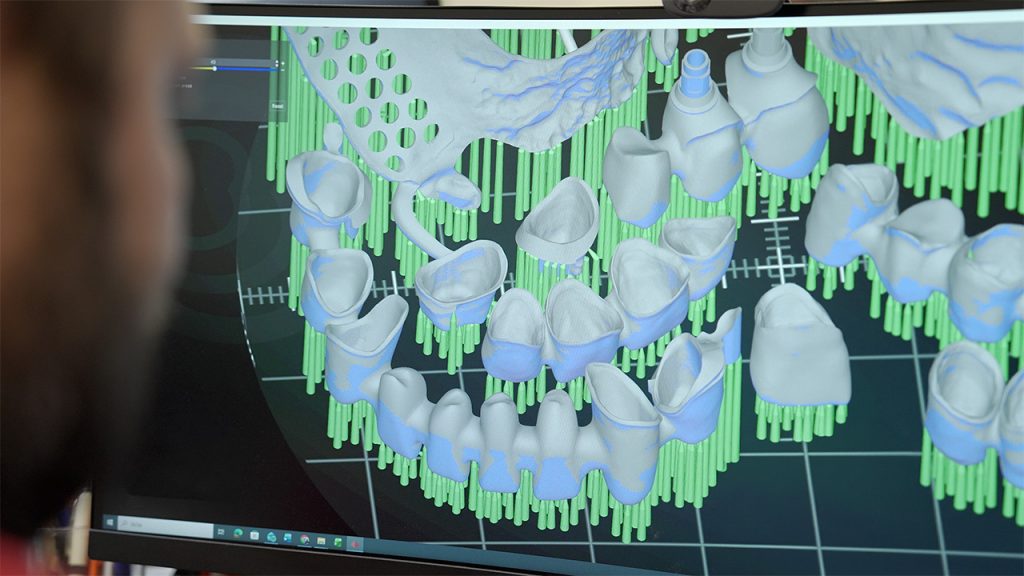
The True Cost of Supports in Metal AM In industrial metal 3D printing, LPBF support structures are often considered a necessary evil. They are crucial for anchoring the part to the build plate, dissipating thermal energy, and preventing parts from warping due to residual stresses. However, excessive LPBF support structures significantly increase material waste and dictate labor-intensive post-processing tasks, such as manual grinding, EDM wire cutting, or CNC machining. For

Read More »
Materials & Processes

Safe Handling and Processing of Reactive Metals in LPBF

The Dangers of Oxidation and Contamination Developing high-value components for the medical or aerospace sectors often requires the use of advanced reactive metal families, particularly titanium alloys (such as Ti6Al4V) and aluminum alloys (like AlSi10Mg). The primary challenge with these materials is their extreme sensitivity to oxygen. Even minor exposure during the printing process or powder manipulation phase can lead to severe oxidation, contamination, and a complete degradation of the

Read More »
Applications & Scaling

Scaling LPBF Production: Bridging the Gap from R&D to Serial Manufacturing

The Core Challenge of Scaling LPBF Production One of the most frustrating bottlenecks in metal additive manufacturing is successfully developing a perfect parameter set on a small R&D machine, only to find that the part fails when transferred to a larger serial production system. Variations in machine architecture mean that parameters cannot simply be copied and pasted. When transitioning between systems, engineers must understand the underlying physics of energy distribution

Read More »
Technology & Innovation

Optimizing Your LPBF Hatching Strategy for Stability

The Hidden Cause of Part Failure Even with the perfect CAD design and the right metal powder, parts can still warp, crack, or fail prematurely. In many cases, the root cause lies invisibly within the material’s microstructure. During the Laser Powder Bed Fusion (LPBF) process, the rapid heating and cooling cycles generate massive temperature gradients. If the laser scans the powder bed in the exact same direction layer after layer,

Read More »
Technology & Innovation

Why Open Architecture in LPBF Metal 3D Printing is Crucial for Advanced Material R&D

Standardization in industrial metal 3D printing is excellent for stable, serial production, but it can quickly become a bottleneck for innovation. R&D engineers, universities, and advanced tooling departments need the freedom to experiment. This is where an open architecture LPBF (Laser Powder Bed Fusion) system becomes absolutely essential. The Limitations of Closed-Parameter AM Systems When users print similar products from standard metal powders on a closed system, complications are rarely

Read More »