The Hidden Cause of Part Failure
Even with the perfect CAD design and the right metal powder, parts can still warp, crack, or fail prematurely. In many cases, the root cause lies invisibly within the material’s microstructure. During the Laser Powder Bed Fusion (LPBF) process, the rapid heating and cooling cycles generate massive temperature gradients.
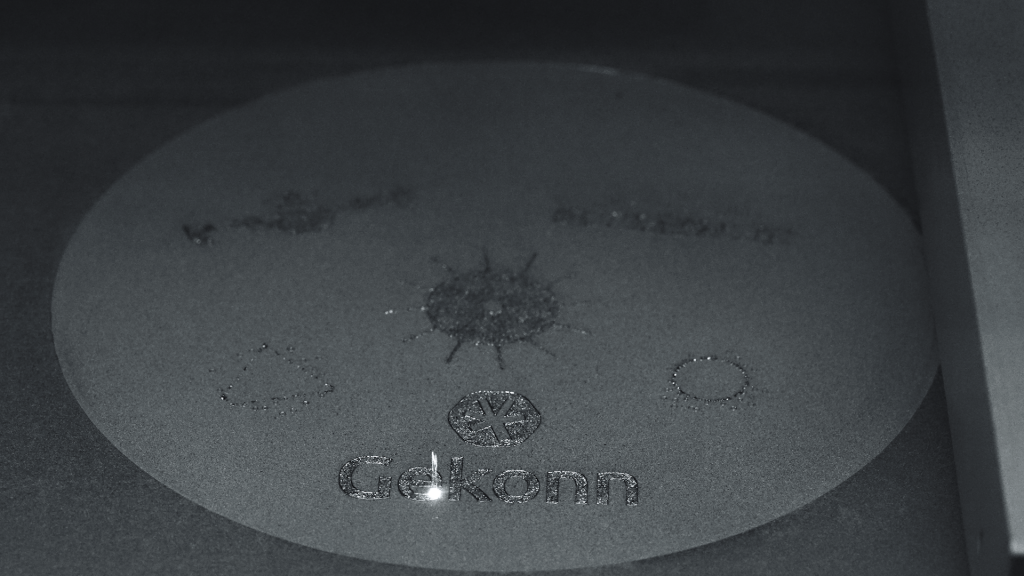
If the laser scans the powder bed in the exact same direction layer after layer, it creates a highly anisotropic microstructure characterized by elongated columnar grains growing in the direction of heat dissipation. This means the part will be significantly weaker in certain directions, compromising its structural integrity under stress.
Controlling Thermal Gradients with an LPBF Hatching Strategy
The absolute solution to managing these internal stresses is a carefully optimized LPBF hatching strategy. The strategy dictates the laser’s movement path, scanning direction, track length, and the overall melting sequence.
To combat the weaknesses of an anisotropic build, engineers must implement scan rotation. Rotating the scanning direction between individual layers—commonly by 67° or 90°—promotes a much more homogeneous microstructure. This ensures even grain growth and results in isotropic mechanical properties that perform reliably under multi-directional loads.
Advanced Strategies: Islands and Chessboards
Long, continuous laser tracks cause localized heat accumulation and severe thermal deformation, which frequently leads to the part warping, cracking, or delaminating from the build plate. To solve this, advanced industrial systems utilize “island” or “chessboard” scanning strategies.
These methods divide the layer into smaller sections, drastically reducing the size of the areas being heated simultaneously. This minimizes temperature gradients and mitigates residual stresses. However, engineers must execute these strategies with precision, as poorly optimized boundaries between these “islands” can introduce localized defects or porosity.
The Impact on Repeatability and Quality
Ultimately, an even heat distribution guarantees a stable melt pool, consistent material density, and repeatable mechanical properties across entirely different builds. A poorly optimized LPBF hatching strategy, on the other hand, guarantees unstable melting and large deviations between production runs.
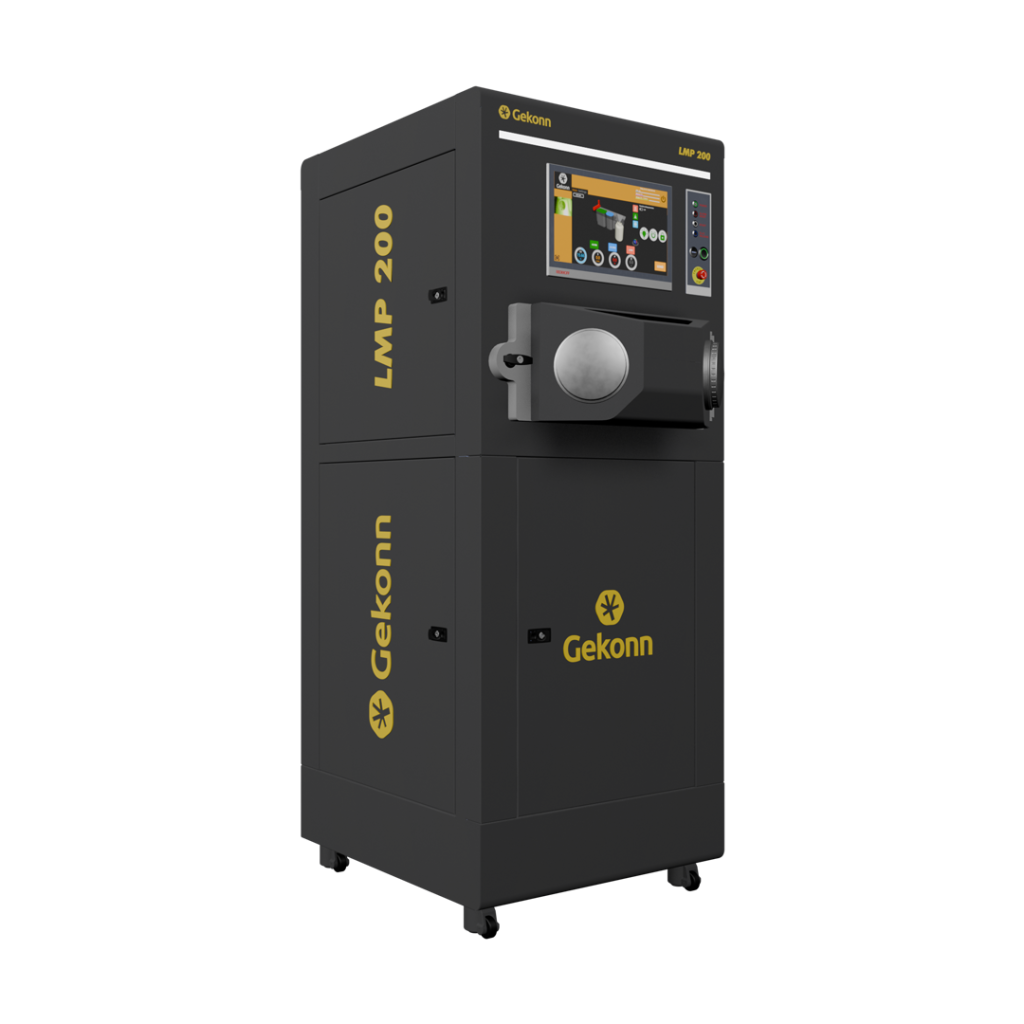
This is why having full control over your process parameters is essential. Advanced platforms like the Gekonn LMP 200 metal 3D printer are engineered to give technical teams the freedom to perfectly fine-tune their hatching strategies, ensuring zero compromises when scaling from prototyping to stable, small-batch production.