The Dangers of Oxidation and Contamination
Developing high-value components for the medical or aerospace sectors often requires the use of advanced reactive metal families, particularly titanium alloys (such as Ti6Al4V) and aluminum alloys (like AlSi10Mg).
The primary challenge with these materials is their extreme sensitivity to oxygen. Even minor exposure during the printing process or powder manipulation phase can lead to severe oxidation, contamination, and a complete degradation of the material’s mechanical properties. Furthermore, airborne metallic dust poses a significant safety hazard to operators if they are not correctly handling reactive metal powders.
Securing the Environment for Handling Reactive Metal Powders
To safely validate and process these demanding materials, an uncompromising approach to atmospheric control is mandatory. LPBF processing of reactive metals demands a strictly controlled environment utilizing a protective atmosphere of inert gases, primarily Argon or Nitrogen.
By continuously monitoring and suppressing oxygen levels within the build chamber, the industrial 3D printing system ensures a highly stable and repeatable melting process, completely isolating the material from outside contaminants.
Closed-Loop Safety Protocols
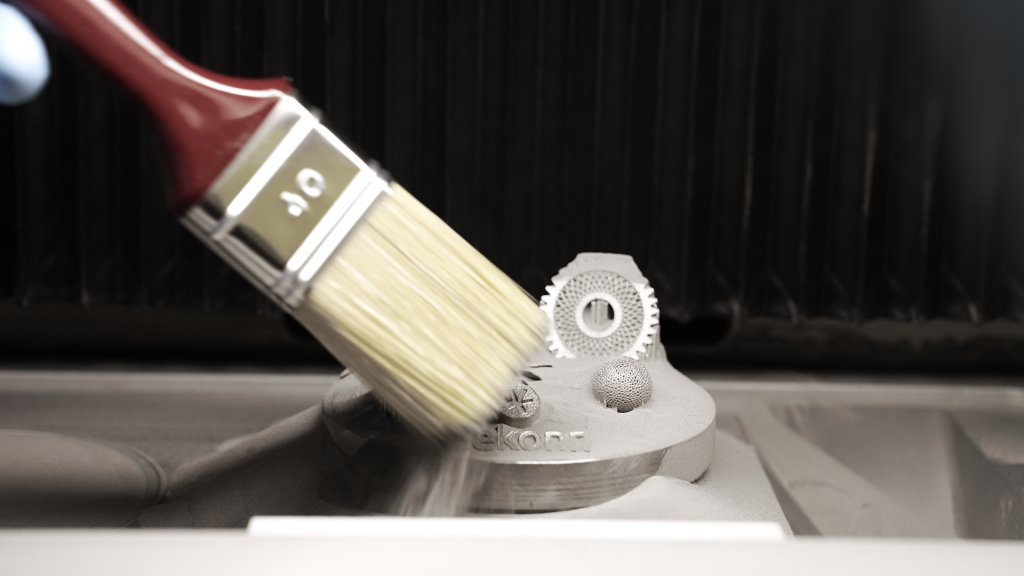
To mitigate risks before and after printing, modern industrial setups rely on closed-loop powder handling approaches. This architectural design fundamentally minimizes the powder’s exposure to the external environment, significantly enhancing operator safety by preventing the inhalation of reactive particles.
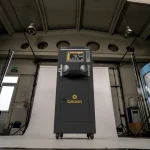
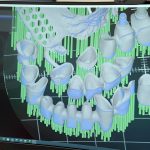
For comprehensive safety, advanced facilities utilize an independent glovebox chamber dedicated to powder manipulation. This ensures that all powder preparation, sieving, and handling reactive metal powders occurs entirely under a controlled inert gas atmosphere. By prioritizing powder stability and strict atmospheric control, engineers can confidently validate processes for critical biomedical applications, such as CoCr and Titanium dental constructs on platforms like the Gekonn LMP 100v3 metal 3D printer, while ensuring maximum safety for their technical teams.